
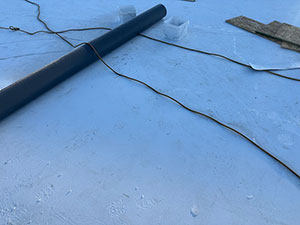
Planning a replacement commercial roof in Mansfield, OH starts with confirming the existing roof condition, the removal scope, deck condition, temporary weather protection, and the roof system that will be installed. Replacement is different from roofing a building that is still under construction because an existing building has an occupied structure, an existing roof assembly, and concealed conditions that may not be known until work begins. Cosam Contracting can be reached at 419-492-2201 to discuss the existing roof and proposed replacement scope.
Replacement Roofing Is Different From New Construction
A replacement project starts with an existing roof assembly. Depending on the building and approved scope, the work may involve removing all or part of the existing roofing, evaluating the exposed deck or substrate, correcting conditions that affect the new system, and installing the replacement assembly.
New-construction roofing follows a different sequence because the building and roof deck may still be part of the active construction process. There is no existing roof to remove, and roofing work must be coordinated with the broader construction schedule. This page focuses on replacement roofing for an existing commercial building.
Confirm the Deck and Substrate Before Installation
The existing deck or substrate is one of the most important checkpoints in a replacement project. Before the new roof assembly is installed, the contractor should identify visible deterioration, soft or damaged areas, attachment concerns, and any condition that could affect the new system.
Not every concealed condition can be known before removal begins. The proposal should therefore explain how damaged decking, wet insulation, deteriorated substrate, or another hidden condition will be documented, priced, and approved if it is found after the existing roofing is opened.
A new roof should not simply cover a condition that prevents the proposed assembly from being installed reliably. The scope should separate confirmed repairs from allowances or contingencies for conditions that remain unknown before tear-off.
Plan Temporary Weather Protection Before Tear-Off
Replacement work can temporarily expose parts of the building as existing roofing is removed. The contractor should explain how the project will be sequenced, how much roof will be opened at one time, and what temporary weather-protection measures will be used when conditions require them.
No single temporary-protection method applies to every roof. The approach depends on the roof assembly, weather, building operations, access, and the area being worked on. The proposal should also explain how unexpected weather may change the daily work plan.
What the Replacement Assessment Should Cover
The first stage should be a condition assessment of the existing roof. A contractor may review drainage, insulation, flashing, penetrations, roof edges, prior repair areas, and the visible condition of the roof assembly. The existing commercial roofing services page provides broader context, but the recommendation for this project should follow the actual building conditions.
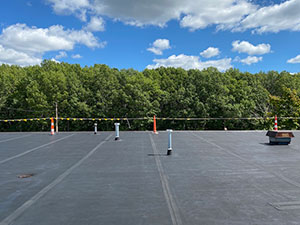
Cosam Contracting’s current commercial scope includes single-ply TPO, PVC, and EPDM systems, along with metal and standing-seam roofing. The proposal should explain why the recommended system fits the building, including drainage, substrate, insulation, attachment, rooftop activity, penetrations, and future service access. Energy performance can be one factor in system selection, but a specific savings result should not be promised without project-specific evidence.
Define Removal, Repairs, and Installation in Writing
A useful replacement proposal should identify the roof areas included, removal or tear-off scope, disposal, deck or substrate repair procedures, insulation work, flashing, penetrations, drainage-related work, edge conditions, and the new roof system. It should also identify exclusions and explain how concealed conditions will be handled.
If portions of the existing assembly can remain, the proposal should say what is being retained and why. If material must be removed to the deck, that should also be stated clearly. The written scope should control instead of relying on a general phrase such as “install a new roof.”
Closeout Should Match the Approved Scope
After installation, closeout should confirm the agreed work was completed and document approved changes. Useful records may include photos, repaired deck or substrate areas when documented, the installed roof areas, and any follow-up recommendations.
Warranty information should come from the actual written project documents. Ask who issues each warranty, what it covers, what is excluded, and what maintenance or documentation requirements apply. Do not assume every roof system has the same inspection schedule or service-life expectation.
Planning a Replacement Commercial Roof in Mansfield
For an existing Mansfield commercial building, the most important planning questions are whether the replacement scope matches the roof condition, how the deck and concealed conditions will be handled, how the building will be protected during removal, and why the selected roof system fits the structure. For broader project information, see Cosam Contracting’s commercial roofing guidance.
Contact Cosam Contracting at 419-492-2201 to discuss the existing roof and replacement scope.
Frequently Asked Questions
Is roof replacement the same as a new-construction roof installation?
No. Replacement work begins with an existing roof assembly and may involve removal, deck evaluation, concealed conditions, and protection of an occupied building. New-construction roofing is coordinated with a building still being constructed.
What happens if damaged decking is found during replacement?
The contractor should document the condition, explain the additional work and pricing, and obtain the required approval before proceeding beyond the agreed scope.
How is a replacement roof system selected?
The recommendation should reflect the building, substrate, drainage, insulation, attachment, rooftop activity, penetrations, service access, and other project-specific conditions.
What should I receive at project closeout?
Confirm the completed scope, approved changes, promised project records, follow-up recommendations, and the written warranty documents that apply to the installed system.