
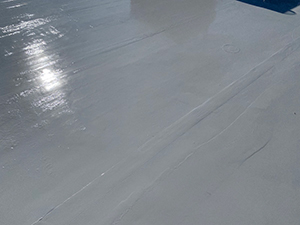
Commercial roof coatings can be a practical restoration option for some existing roofs in Tiffin, OH, but the project should start with the roof’s condition rather than the coating itself. A suitable system depends on the substrate, existing damage, trapped moisture, drainage, surface preparation, and the application conditions required by the selected product. Cosam Contracting provides commercial and industrial roofing services in Ohio, and its Central/Northern Ohio number is 419-492-2201.
What a Commercial Roof Coating Project Actually Does
A commercial roof coating is a liquid-applied material that cures into a protective membrane over a prepared roof surface. The goal is to protect a serviceable existing assembly, improve weather resistance, and, with reflective products, reduce solar heat gain at the roof surface. A coating is not a substitute for correcting failed roofing, saturated insulation, damaged decking, or active defects that need repair first.
Different chemistries behave differently, so product selection should follow the roof assessment. Cosam Contracting’s guide to coating chemistry strengths and weaknesses compares common coating types and the tradeoffs that can affect a project.
Compare Coating Chemistry With the Existing Roof
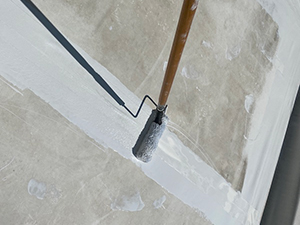
Cosam Contracting works with acrylic, silicone, polyurethane, and SEBS or SBS coating systems. Each has different strengths, limitations, preparation needs, and compatible substrates. Acrylic coatings are water-based and reflective, but ponding-water conditions can be a concern for some acrylic systems. Some silicone systems are selected where greater resistance to standing water is needed. Polyurethane coatings are often considered where abrasion or traffic resistance matters, while SEBS and SBS systems may be used in compatible asphaltic applications.
The coating name alone does not determine suitability. The existing membrane, prior repairs, contaminants, slope, drainage, exposure, and required primer or adhesion testing can all change the recommendation. Cosam Contracting’s commercial roof coatings service overview provides additional background on these coating options.
Substrate Condition and Moisture Come Before Coating
A coating needs a sound, compatible surface. Before work moves forward, the roof should be evaluated for loose or deteriorated material, failed seams or flashing, active leaks, wet insulation, damaged substrate, and drainage problems. Where hidden moisture is a concern, an appropriate moisture survey or other diagnostic evaluation can help identify areas that need to be removed or repaired before coating.
Applying a coating over trapped moisture does not correct the underlying problem. Wet materials can continue to deteriorate below the new surface, which is why repairs and removal of affected materials may be required first. If damage or moisture is widespread, repair, restoration with a different scope, or replacement may be more appropriate than a coating-only project.
Preparation and Application Conditions Affect Performance
Surface preparation is one of the most important parts of a coating project. The roof must be cleaned and allowed to dry, and existing defects should be repaired before coating. Depending on the roof and coating system, the work may also require a primer, adhesion testing, treatment at seams and penetrations, or reinforced details.
Weather matters during application and cure. The acceptable surface temperature, air temperature, humidity, dew conditions, and rain-free cure window depend on the specific product. Rather than relying on one universal rule, the installation should follow the current written requirements for the coating system being used.
Application thickness also matters. A coating system should be installed at the specified coverage and thickness for the selected assembly, with each coat allowed to cure as required before another layer is added. Final inspection should confirm coverage, details, and any repairs included in the approved scope.
Plan for Drainage and Ongoing Roof Maintenance
A coating does not eliminate the need for drainage or maintenance. Drains, scuppers, gutters, seams, penetrations, and rooftop equipment should still be monitored, and any new damage should be addressed promptly. Some coating chemistries tolerate ponding conditions better than others, but positive drainage and correction of recurring water problems remain important to long-term roof performance.
For building owners planning continued care after a coating project, Cosam Contracting’s commercial roof maintenance guidance for Tiffin covers inspections, drainage, documentation, and common roof conditions that deserve attention.
Commercial Roof Coatings in Tiffin, OH
A commercial roof coating can be a useful option when the existing roof is a suitable restoration candidate and the system is matched to the substrate and site conditions. The most important decisions happen before application: confirm the roof is dry enough and structurally serviceable, complete needed repairs, select a compatible coating, and follow the product’s preparation and weather requirements. Contact Cosam Contracting or call 419-492-2201 to discuss whether a coating project fits your Tiffin property.
Frequently Asked Questions
What types of commercial roofs can be coated?
Metal, single-ply, asphaltic, concrete, spray foam, and other commercial roof surfaces may be candidates depending on the specific coating system, substrate condition, drainage, moisture, and compatibility requirements. An assessment should confirm suitability before a product is selected.
Can a roof coating be applied over wet insulation?
No coating should be used to hide a known moisture problem. Wet or damaged materials need to be identified and addressed as part of the project scope before the roof is coated.
Do reflective commercial roof coatings lower energy costs?
Reflective coatings can reduce solar heat gain at the roof surface, but actual utility savings vary with climate, insulation, HVAC performance, building use, roof area, and the product selected.
When is a coating not the right alternative to roof replacement?
A coating may be a poor fit when the roof has widespread wet insulation, extensive substrate deterioration, major structural problems, or other conditions that cannot be corrected within a restoration scope.