
Commercial roofing services should match the roof’s actual condition and the building owner’s project goals. Inspection, repair, restoration, coating, maintenance, and replacement can all be appropriate in different situations, so comparing contractors starts with understanding exactly what each proposal is recommending and why.
Cosam Contracting provides commercial and industrial roofing services across Ohio and Kentucky. Its current services include inspections, repairs, restoration, replacement, maintenance, coatings, membranes, metal roofing, and gutter work. A useful proposal should connect the recommended service to documented roof conditions rather than treating every problem as the same type of project.
Inspecting Your Roof in Detail
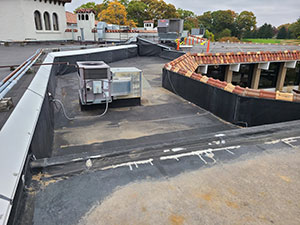
A commercial roof inspection gives the owner a starting point for comparing scopes. The inspection can identify visible membrane or metal-surface conditions, seams, flashing, penetrations, drainage, previous repairs, and areas that may need additional moisture investigation before the final scope is set.
Inspection documentation is especially useful when multiple contractors are bidding the same project. Dated photographs, identified problem areas, and a written condition summary can help show whether each proposal is responding to the same roof conditions or pricing a different set of assumptions.
There is no single inspection interval that applies to every commercial roof. Cosam currently recommends at least annual inspection for many roofs, with more frequent review in some situations. Actual timing can depend on roof condition, warranty or manufacturer requirements, building use, recent repairs, rooftop activity, and significant weather.
Comparing Contractor Bids: What to Look For
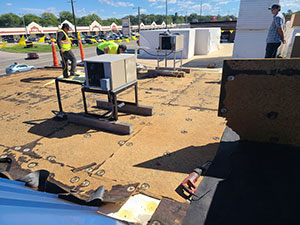
Two bids can show similar totals while describing materially different work. Before comparing price, review whether the contractors are pricing the same service, investigation depth, materials, exclusions, scheduling assumptions, and property-protection responsibilities.
| Bid item | What to confirm |
|---|---|
| Confirmed service | Repair, restoration, coating, maintenance, replacement, or another clearly defined scope. Make sure each contractor is pricing the same type of project. |
| Investigation scope | Which roof areas were inspected, what defects were documented, and what concealed conditions remain uncertain. |
| Material and system specification | The actual membrane, coating, metal, insulation, attachment, or accessory requirements included in the proposal. |
| Exclusions and discovered conditions | Items outside the base price, such as wet insulation, damaged deck sections, drainage corrections, equipment work, or other conditions that may change scope. |
| Scheduling | Planned sequence, access, material availability, weather contingencies, and how schedule changes will be communicated. |
| Occupied-property protection | How entrances, equipment, inventory, deliveries, foot traffic, staging, debris, and temporary weather protection will be handled where relevant. |
| References | Comparable commercial projects, when available, with enough context to understand the roof system and project scope. |
| Warranty responsibilities | Who provides each warranty, what it covers, owner obligations, and important exclusions. Manufacturer and contractor responsibilities can differ by project. |
Follow-Up Questions That Reveal Incomparable Bids
If two proposals are difficult to compare, ask each contractor to explain what roof conditions support the recommendation, what is excluded from the base price, and how additional damage will be documented and authorized if it is discovered after work begins. Also ask whether the proposal includes drainage, flashing, penetrations, insulation, access, cleanup, and occupied-building protection where those items apply.
These questions help distinguish a lower price from a smaller scope. A proposal that leaves important assumptions undefined may not be directly comparable with one that includes those responsibilities in writing.
Other Top-Grade Commercial Roofing Services
Some roofs need a targeted repair or maintenance work. Others may qualify for restoration or coating when the existing roof remains suitable. If deterioration is broader or the existing assembly no longer supports those options, a complete replacement may be the appropriate scope.
The same comparison process applies whichever service is recommended. Ask what was found during inspection, why the proposed service fits those conditions, what alternatives were considered, and what the written scope includes or excludes. That gives the owner a practical basis for comparing proposals without assuming that the least expensive or most extensive option is automatically the right one.
When reviewing the final proposal, confirm that the service name matches the actual work described. A repair proposal should identify the defects being corrected, a restoration proposal should state the preparation and existing-roof conditions it depends on, and a replacement proposal should explain removal, retained materials, insulation or deck assumptions, and major exclusions. Clear scope language is more useful than a broad service label by itself.
Reach Out Today!
Cosam Contracting serves commercial and industrial properties throughout Ohio and Kentucky. Central and Northern Ohio projects use 419-492-2201, while Southern Ohio and Kentucky projects use 740-776-7777. Property owners can also contact Cosam Contracting to discuss the location and scope of a commercial roofing project.
Frequently Asked Questions
Why can two commercial roofing bids for the same building be so different?
The proposals may include different services, investigation depth, materials, exclusions, scheduling responsibilities, or allowances. Compare the written scopes before comparing totals.
What should I ask before signing a commercial roofing proposal?
Ask what conditions were confirmed, what is included and excluded, how discovered damage will be handled, what system is specified, and who is responsible for each warranty.
Is the lowest commercial roofing bid always the best value?
No. A lower total can reflect a narrower scope or different assumptions. Confirm that the competing proposals address the same conditions and responsibilities first.
How often should a commercial roof be inspected?
There is no single schedule for every roof. Timing can depend on roof condition, warranty or manufacturer requirements, maintenance history, rooftop activity, and significant weather.