
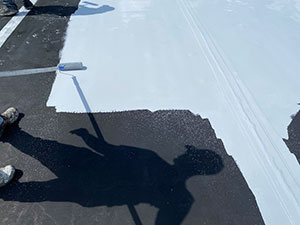
A roof coating can be part of a commercial roof restoration plan in Lancaster, OH, but it is not suitable for every roof. Cosam Contracting confirms both acrylic and silicone coatings and restoration within its commercial service scope. The right starting point is an evaluation of the existing roof so the condition of the surface, seams, flashing, drainage, and underlying assembly can be considered before a coating is recommended.
Building owners can contact Cosam Contracting at (740) 776-7777 to discuss whether a coating should be evaluated alongside repair, restoration, or replacement options.
What a Commercial Roof Coating Does
A roof coating is a liquid-applied material installed over an existing roof surface as part of an approved restoration scope. Depending on the product, roof system, and project design, it can provide a renewed protective surface and may improve reflectivity. It does not rebuild damaged structural components or correct every underlying roof problem.
That distinction matters because a coating should not be treated as a shortcut around needed repairs. If the existing roof has conditions that make coating unsuitable, those conditions need to be addressed before a restoration system is considered.
How Roof Coating Suitability Is Evaluated
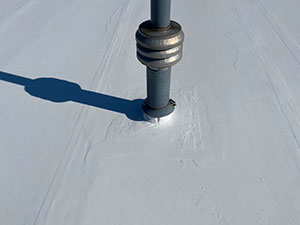
Coating suitability depends on the actual roof and substrate. The existing membrane or roof surface, seams, flashing, penetrations, moisture conditions, drainage, previous repairs, and overall condition can all affect whether a coating system is appropriate.
Roof age alone does not decide the answer. An older roof may still be a restoration candidate if the existing conditions support that approach, while a newer roof may have damage or moisture concerns that make coating inappropriate. The recommendation should come from the observed condition of the roof rather than a simple age threshold.
What a Roof Coating Cannot Fix by Itself
A coating should not be expected to solve significant moisture problems, damaged decking, widespread deterioration, or drainage conditions simply because it covers the roof surface. If leaks, wet insulation, structural damage, or other underlying concerns are present, those issues may require repair or a different roofing scope.
Ponding water is another example where the cause matters. A coating may be part of a broader project, but it does not automatically correct roof slope, blocked drainage, or another condition that causes water to remain on the roof. The drainage problem should be identified and addressed as part of the project planning.
Substrate Compatibility Matters
Not every coating system is suitable for every existing roof surface. Compatibility can depend on the substrate, previous coatings, contaminants, moisture conditions, adhesion requirements, and the preparation specified for the selected system.
Cosam Contracting confirms acrylic and silicone coating and restoration services, but the specific coating type should be selected for the building and roof conditions. Product and project documentation should guide the decision instead of assuming that one coating works on every roof material.
What the Roof Coating Process May Include
A coating project typically requires surface preparation before the coating is applied. The exact preparation can vary by system and roof condition, and may include cleaning, correcting approved repair items, preparing seams or flashing, and addressing other conditions identified during the evaluation.
The coating application itself should follow the requirements for the selected system, including preparation, coverage, thickness, cure conditions, and any required application steps. Weather can affect scheduling because temperature, moisture, and cure conditions may matter. The final timeline should be based on the specific roof and coating system rather than a fixed number of days.
Compare Coating With Repair or Replacement
For a Lancaster building owner, the useful question is not whether coating is always cheaper or better than replacement. It is whether the existing roof is suitable for restoration and whether the proposed scope addresses the actual conditions that are present.
If a roof is a suitable coating candidate, restoration may allow the existing roof to remain in service under the approved project scope. If the roof has conditions that coating cannot reasonably address, repair or replacement may be the more appropriate path. Cost and service-life expectations should be reviewed from the project proposal rather than assumed from general industry claims.
Commercial Roof Coating in Lancaster, OH
Cosam Contracting serves commercial and industrial properties in Ohio and Kentucky, with Lancaster included in its priority service area. Its confirmed commercial services include acrylic and silicone coatings and restoration, general commercial roofing, single-ply installation, spray foam installation, metal roofing, standing seam metal roofing, and insurance claims support.
If a coating is being considered for a Lancaster commercial building, the next step is to evaluate the existing roof and determine whether the roof conditions support an approved restoration system. Contact Cosam Contracting or call (740) 776-7777 to discuss the project.
Frequently Asked Questions
Does a roof coating replace the need for repairs?
No. Any repair needs, moisture concerns, drainage issues, or other conditions identified during the evaluation should be addressed as required by the proposed restoration scope.
How do I know whether my commercial roof is a good coating candidate?
The roof should be evaluated for substrate condition, moisture, seams, flashing, drainage, previous repairs, and compatibility with the proposed coating system.
Will a roof coating fix ponding water?
Not by itself. If water is remaining on the roof because of drainage, slope, or another underlying condition, that cause needs to be evaluated separately.
How long does a commercial roof coating project take?
Timing depends on roof size, preparation, repairs, the selected system, weather, and cure requirements. The project schedule should be set after the roof and coating scope are defined.