
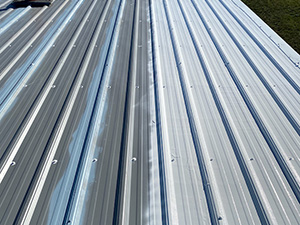
Commercial roof restoration can be a practical alternative to full replacement when the existing roof remains a sound candidate. The decision should depend on moisture, adhesion, substrate condition, drainage, compatibility, and the amount of repair needed before coating, not on roof age or appearance alone.
Cosam Contracting has served commercial and industrial roofing clients in Ohio and Kentucky since 1985. Its current services include inspection, maintenance, repair, restoration, coatings, re-roofing, and replacement, so a restoration recommendation can be compared with other scopes when the existing roof condition calls for them.
Restoring Your Roof
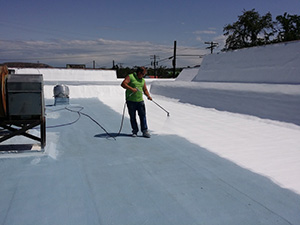
Restoration works with a serviceable existing roof instead of automatically removing the entire assembly. A qualifying project may include cleaning, repairs, seam or flashing work, detail reinforcement, and application of a compatible protective coating system. The existing roof still has to be suitable to remain in place.
Cosam’s roof coating guidance shows that coating chemistries have different strengths, limitations, and compatibility considerations. That is why the selected system should follow the roof condition and substrate rather than a one-size-fits-all coating choice.
Is Restoration the Right Call?
Before restoration is approved, the roof should be evaluated against the conditions that determine whether coating is appropriate or whether repair or replacement needs to come first.
| Condition | What can support restoration | What can require a different scope |
|---|---|---|
| Moisture | The assembly is dry enough to remain in service after any localized affected materials are addressed | Widespread saturated insulation or uncertain moisture that needs further investigation or removal |
| Adhesion and surface condition | The prepared surface is stable and suitable for the selected coating system | Delamination, contamination, failed prior coatings, or deterioration that prevents reliable adhesion |
| Substrate or decking | Underlying materials remain structurally serviceable | Rotten, damaged, or otherwise unsuitable decking or substrate that must be corrected directly |
| Drainage | Drainage is functioning adequately for the proposed restoration system | A drainage or slope defect is causing recurring ponding that coating alone will not correct |
| Compatibility | The existing roof and prepared surface are compatible with the proposed coating | Existing materials, prior repairs, or surface conditions are incompatible with the selected system |
A coating does not correct rotten decking, widespread saturated insulation, or a drainage defect that causes standing water. Those conditions need their own repair, investigation, or replacement scope before restoration can be treated as an appropriate solution.
How a Restoration Scope Should Be Prepared and Applied
A restoration is more than applying coating over an aging roof. The scope should begin with inspection and identification of defects that need attention first. Necessary repairs to seams, flashing, penetrations, damaged areas, or affected materials should be completed before coating is applied.
The roof surface then needs preparation suited to the existing material and selected coating. Application requirements can vary by system, including preparation, coverage, weather conditions, and cure time. Closeout should confirm that the agreed repair and coating scope was completed, document any remaining limitations, and establish the next inspection or maintenance step rather than assuming the restored roof no longer needs service.
Investing in Your Roof
Restoration can reduce the amount of tear-off and replacement material required when the roof qualifies, but its value depends on the repairs and preparation needed before coating. Compare the restoration scope with the building’s current repair history, expected maintenance, and the cost and disruption of commercial roof replacement rather than assuming restoration is always the lower-cost choice.
Reflective coatings can reduce solar heat absorption at the roof surface. Actual building energy use still depends on insulation, HVAC performance, air leakage, occupancy, roof color, weather, and operations, so a fixed utility savings figure should not be assumed.
Ongoing roof maintenance also remains important after restoration. Drains, seams, flashing, penetrations, coating condition, and new damage should continue to be monitored so smaller defects can be addressed before they affect a larger roof area.
Commercial Roof Restoration Services
For a commercial property owner, the useful question is whether the existing roof can be repaired, prepared, and coated without covering an unresolved condition. If the roof remains a sound candidate, restoration may extend useful service while avoiding a full tear-off. If the roof has broader moisture, substrate, drainage, or compatibility problems, repair or replacement may be the more appropriate path.
Cosam Contracting serves commercial and industrial properties across Ohio and Kentucky. For central and northern Ohio, the current site lists (419) 492-2201; for southern Ohio and Kentucky, it lists (740) 776-7777.
Frequently Asked Questions
How do I know if a commercial roof is a good restoration candidate?
A stronger candidate has serviceable decking and substrate, manageable moisture conditions, working drainage, and a surface that can be prepared for a compatible coating system.
Can a coating fix a commercial roof that is already leaking?
It depends on the cause. Repairs may need to address seams, flashing, penetrations, damaged materials, or wet components before coating is appropriate.
How long does commercial roof restoration take?
Project timing depends on roof size, condition, preparation, repairs, weather, coating requirements, and cure time. The schedule should be based on the specific roof and selected system rather than a fixed duration.
Can restoration affect an existing roof warranty?
It can. Before approving a coating, review the existing warranty terms and any manufacturer requirements that could affect compatibility, approved materials, inspections, or future coverage.