
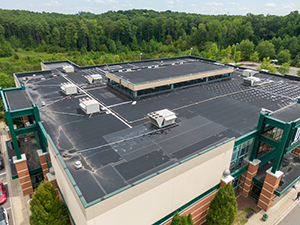
Commercial roofs in Zanesville, OH, face changing temperatures, rain, snow, wind, and regular exposure that can gradually affect roofing materials. Routine evaluations give building owners and property managers a clearer understanding of roof conditions before minor concerns become larger problems. Commercial roof inspections provide a systematic evaluation of roofing materials, drainage, seams, flashing, penetrations, and other components that influence performance.
Call Cosam Contracting at (740) 776-7777 for commercial roof inspections in Zanesville, OH.
What a Roof Inspection Covers
A professional inspection involves more than looking across the roof surface for obvious damage. Inspectors evaluate the overall condition of the roofing system while paying close attention to areas where water intrusion, material deterioration, or movement is most likely to develop.
On flat and low-slope roofs, the membrane or roof surface is examined for cracks, punctures, open seams, blistering, worn areas, and other signs of deterioration. Inspectors also look at flashing around roof edges, walls, curbs, and transitions because these locations can become vulnerable as materials age.
Roof penetrations receive similar attention. Pipes, vents, HVAC equipment, skylights, and other rooftop features require properly sealed connections with the surrounding roofing system. Changes around these areas can create pathways for moisture even when the main roof surface appears to be in good condition.
Drainage and Moisture Concerns
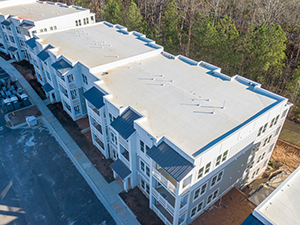
Drainage is an important part of evaluating a commercial roof. Flat roofs are designed with enough slope to direct water toward drains, scuppers, gutters, or other drainage components. Inspectors check these areas for debris, deterioration, blockages, and signs that water is not leaving the roof properly.
Evidence of ponding water may indicate a drainage problem or changes in the roof surface. Ponding water is a leading cause of premature flat roof failure. Inspectors evaluate where water collects and whether blockages, slope, or other roof conditions are contributing to the problem.
An inspection may also look for signs of previous or active moisture intrusion. Water stains, damaged insulation, deteriorated materials, or suspicious areas near seams and penetrations can help identify locations that need closer evaluation. Interior observations may provide additional information when a building has experienced leaks.
The Inspection Process
The process typically begins with gathering basic information about the roof. Knowing the approximate age, roofing material, repair history, and any recent leak concerns gives the inspector useful context before evaluating the system.
During the rooftop evaluation, the inspector follows an organized process rather than focusing only on one suspected problem. Roof surfaces, perimeter details, flashing, penetrations, drainage components, seams, and visible repairs can all be reviewed. This approach helps reveal conditions that might otherwise remain unnoticed during a quick visual check.
Afterward, building owners can expect an explanation of the findings. The inspection may identify areas that are performing normally, components that should be monitored, and conditions that need maintenance or repair. This information helps property managers make informed decisions based on the roof’s actual condition rather than waiting for an active leak to signal a problem.
When to Schedule Inspections
Regular inspections create a useful record of how a commercial roof changes over time. A consistent inspection schedule can help identify gradual deterioration and give building owners an opportunity to address maintenance needs before they affect larger portions of the system.
Seasonal weather can also influence inspection timing. An evaluation after winter can reveal damage associated with snow, ice, moisture, and temperature changes. An inspection later in the year can help prepare the roof for colder conditions by identifying drainage concerns, damaged flashing, or vulnerable areas.
Inspections are also useful after significant storms, rooftop construction, HVAC work, or other activities that could affect roofing materials. Even when no interior leak is visible, checking the roof can reveal punctures, displaced materials, or other changes that deserve attention.
Schedule Commercial Roof Inspections
A detailed roof inspection gives commercial property owners practical information about current conditions and developing concerns. Regular evaluations can support maintenance planning, help document changes, and provide a clearer picture of how the roofing system is performing.
For commercial roof inspections in Zanesville, OH, contact Cosam Contracting at (740) 776-7777 today.
FAQ
How often should a commercial building in Zanesville have its roof inspected?
Many commercial roofs benefit from professional inspections at least twice each year, commonly during spring and fall. Additional evaluations may be appropriate after severe storms or rooftop work.
What problems are commonly discovered during a commercial roof inspection?
Inspectors may uncover loose or deteriorated flashing, membrane damage, clogged drainage components, weakened seals around penetrations, previous repair failures, and areas showing signs of trapped moisture.
Should maintenance records be available during a roof inspection?
Yes. Previous inspection reports, repair records, warranty information, and notes about past leaks can provide useful background and help the inspector understand how specific roof conditions have developed.