
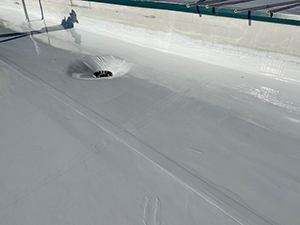
A commercial roof restoration can be a practical way to extend the service life of an existing roof, but it is not suitable for every building. For a Plymouth, OH property, the decision should start with the roof’s actual condition, including the substrate, moisture levels, drainage, and compatibility with the proposed restoration system. Cosam Contracting serves commercial and industrial properties throughout Ohio. Call (419) 492-2201 to discuss a roof assessment.
When Is a Commercial Roof a Good Restoration Candidate?
Restoration works best when the existing roof is still structurally serviceable and the problems are mainly at the surface or in localized details. The contractor should evaluate whether the deck and substrate remain sound, whether moisture is limited, whether drainage problems can be corrected, and whether the existing roof material is compatible with the proposed coating or restoration system.
Roof age by itself does not answer the question. An older roof with a stable substrate and limited moisture may still be a restoration candidate, while a newer roof with widespread wet insulation, deteriorated decking, or broad membrane failure may need more extensive repair or replacement.
Moisture Conditions Matter
A coating should not be used to cover extensive trapped moisture. If leaks, staining, ponding, or other conditions suggest moisture below the surface, further investigation may be appropriate before the restoration scope is finalized.
The method depends on the roof system and the questions that need to be answered. Moisture mapping, targeted readings, test cuts, or other diagnostic methods can help determine whether wet areas are isolated enough to remove and repair or widespread enough to change the recommendation. The final proposal should distinguish confirmed conditions from areas that still need investigation.
Check Substrate and Adhesion Before Coating
A restoration system has to bond to the existing roof. Surface contamination, loose material, incompatible coatings, oxidation, or deteriorated substrates can interfere with adhesion. Preparation may include cleaning, removing loose material, repairing damaged areas, treating compatible surfaces as required, and allowing the roof to dry before coating begins.
Different coating chemistries also have different strengths, limitations, and application conditions. Cosam’s roof coating chemistry overview provides background on how acrylic, silicone, polyurethane, and other coating types differ. The product selected for a Plymouth roof should still be based on the actual substrate, drainage, exposure, and project requirements.
Preparation Is Different From Structural Repair
Restoration preparation can include localized seam repairs, flashing work, fastener attention, surface cleaning, or removal of isolated damaged material. Those tasks help create a sound surface for the restoration system.
Structural deterioration is different. Extensive deck damage, severe corrosion, widespread saturated insulation, or other compromised components cannot simply be covered with a coating. Those conditions need to be repaired or replaced as part of a separate scope. If the remaining roof cannot support a dependable restoration, replacement may be the more appropriate path.
Drainage Should Be Evaluated Before Restoration
Ponding water and poor drainage can shorten the useful life of a restoration system if the underlying cause is not addressed. The inspection should identify blocked drains, low areas, damaged insulation, or slope problems that may be contributing to standing water.
The proposal should explain which drainage corrections are included and which would require separate work. A reflective or waterproof coating does not correct a roof geometry problem by itself.
Compare Restoration With Replacement
Restoration can avoid much of the tear-off associated with replacement when the existing assembly remains suitable, but owners should compare both options using the same condition evidence. The decision should consider moisture, substrate condition, drainage, repair history, remaining serviceability, building use, and long-term maintenance needs.
When replacement is being considered, Cosam’s commercial roof replacement information for Plymouth provides useful context on that alternative. The goal is not to choose restoration because it sounds less disruptive or replacement because the roof is old. The goal is to choose the scope that fits the building.
What Should the Restoration Proposal Include?
A clear proposal should identify the roof areas included, the preparation and repairs required, the coating or restoration system, application requirements, exclusions, drainage work, and how concealed or additional conditions will be handled. It should also explain what inspection or acceptance steps will be used before the project is considered complete.
Ask whether wet or damaged materials will be removed before coating, how adhesion will be confirmed, and what maintenance the restored roof will require afterward. These questions help distinguish a complete restoration scope from a proposal that simply applies coating over unresolved conditions.
Commercial Roof Restoration in Plymouth, OH
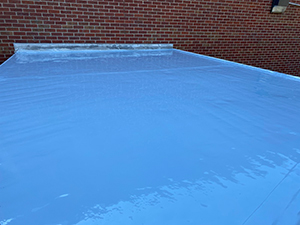
A good restoration decision starts with evidence. The roof should have a sound enough substrate, manageable moisture conditions, compatible materials, and drainage that can support the proposed system. Cosam Contracting provides commercial roof restoration and coating services in Ohio and can help determine whether restoration, repair, or replacement fits the roof. Call (419) 492-2201 to discuss a Plymouth property.
Frequently Asked Questions
Can every commercial roof be restored?
No. Restoration depends on the roof’s substrate, moisture condition, drainage, compatibility, and overall serviceability.
Can a coating fix structural roof damage?
No. Structural deterioration, widespread wet insulation, or severely damaged decking must be addressed separately rather than covered with a coating.
What should be checked before a roof restoration?
The assessment should review substrate condition, moisture, drainage, existing repairs, surface preparation needs, and compatibility with the proposed restoration system.
How do I compare restoration with replacement?
Compare both options using the same condition evidence, including moisture, substrate damage, drainage, repair history, remaining serviceability, and long-term maintenance needs.