
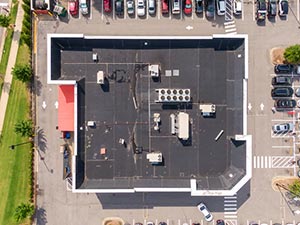
Commercial buildings throughout Lancaster, OH depend on roofing systems that can withstand changing weather, heavy rainfall, snow, and seasonal temperature swings. Choosing the right low slope roofing system is one of the most important decisions a building owner can make because every material offers different advantages depending on the building’s needs.
For related commercial roofing guidance in Lancaster, see Standing seam metal roof in Lancaster.
Low slope roofing provides reliable protection for commercial buildings while offering several membrane options designed for different performance goals. Call Cosam Contracting at (740) 776-7777 for low slope roofing in Lancaster, OH.
Understanding Low Slope Roofing Options
Low slope roofing refers to roofing systems installed on roofs with a slight pitch that allows water to drain while maximizing usable rooftop space. Because these roofs do not shed water as quickly as steep slope systems, selecting the proper waterproof membrane is essential.
Several membrane systems are commonly used on commercial buildings. TPO, EPDM, PVC, modified bitumen, and spray foam each serve different applications based on building design, climate, maintenance expectations, and long-term performance goals. Understanding the strengths of each system helps property owners make informed decisions when planning a new roof or replacement.
Low Slope Roofing Membrane Comparisons
TPO Roofing
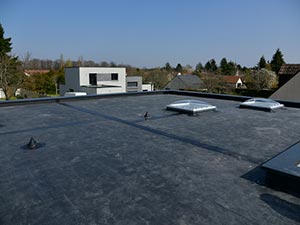
Thermoplastic Polyolefin, commonly called TPO, is one of the most widely installed commercial roofing membranes. Its bright surface reflects sunlight, helping reduce rooftop temperatures during warmer months. Heat welded seams create strong waterproof connections, making TPO a popular choice for offices, warehouses, schools, and retail buildings.
EPDM Roofing
EPDM is a synthetic rubber membrane recognized for its flexibility and long service life. It performs well during freeze and thaw cycles, making it a practical option for Ohio’s changing seasons. The material expands and contracts with temperature changes while maintaining its durability over many years.
PVC Roofing
PVC membranes provide excellent resistance to chemicals, grease, and moisture. These characteristics make PVC particularly suitable for restaurants, manufacturing facilities, and buildings where rooftop contaminants may affect other roofing materials. Heat welded seams also provide dependable protection against water intrusion.
Additional Low Slope Roofing Systems
Modified Bitumen
Modified bitumen combines asphalt with reinforcing materials to create a durable multi-layer roofing system. It performs well on buildings with regular foot traffic because the multiple layers add strength and puncture resistance. Many property owners appreciate its proven track record and ability to withstand a variety of weather conditions.
Spray Foam Roofing
Spray polyurethane foam creates a seamless roofing surface that also adds insulation value. Because the foam conforms to the existing roof, it can improve energy efficiency while reducing opportunities for water infiltration. Protective coatings applied over the foam help shield it from ultraviolet exposure and weathering. Spray foam is often selected when building owners want both waterproofing and additional thermal performance.
Each roofing system offers unique advantages. The best choice depends on the building’s purpose, existing roof structure, maintenance expectations, and long-term operational goals rather than one material being universally superior.
Choosing the Right Low Slope Roofing System
Selecting the appropriate roofing system begins with a professional evaluation of the building. Factors such as roof size, drainage design, rooftop equipment, expected traffic, insulation needs, and budget all influence which membrane provides the greatest value over time.
Experienced roofing professionals can explain how each material performs under Lancaster’s weather conditions while helping building owners compare durability, maintenance requirements, repair options, and expected service life. Taking time to evaluate these factors helps avoid unnecessary expenses and supports better long-term performance.
For low slope roofing in Lancaster, OH, contact Cosam Contracting at (740) 776-7777 today.
FAQ
What is the difference between a low slope roof and a flat roof?
Although many people use the terms interchangeably, most flat roofs actually have a slight slope that directs water toward drains or scuppers. This small pitch improves drainage and helps protect the roofing system from standing water.
Which low slope roofing systems perform well in Ohio’s climate?
TPO, EPDM, PVC, modified bitumen, and spray foam can all perform successfully in Ohio when properly installed. The best option depends on the building’s design, maintenance goals, and how the facility is used.
How do building owners choose between a membrane roof and a coating system?
A membrane is generally selected for new roofing systems or major replacements, while a coating may be appropriate when an existing roof remains structurally sound and qualifies for restoration. A professional inspection helps determine which approach best fits the roof’s condition.