
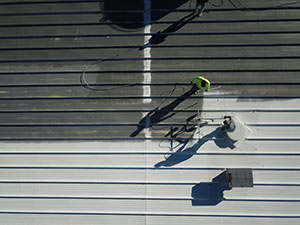
Commercial roof coatings can seal and protect a flat or low-slope roof, but only when the roof underneath is in the right condition. Low-slope roofs can develop drainage problems, punctures or seam defects, and prolonged ultraviolet exposure may contribute to surface deterioration. A commercial roof coating provides a protective layer after leaks, loose seams and other defects have been repaired with compatible materials. It does not repair a roof that is wet, detached or structurally unsound, so the first question is whether your roof is a good candidate.
Cosam Contracting applies acrylic, silicone, polyurethane and SEBS/SBS coatings on commercial roofs. For Central and Northern Ohio, call (419) 492-2201. For Southern Ohio and Kentucky, call (740) 776-7777.
What Are the Benefits of Roof Coatings?
When a roof qualifies, coating offers several practical advantages.
Efficient application. Depending on the selected system, one or more coating layers can be applied by roller, brush or spray over a properly prepared roof. Avoiding extensive tear-off may reduce debris and disruption, although weather, preparation and repairs still affect the schedule.
Weather and UV protection. Coatings shield the surface from sun and water. The protection varies by coating type, and our coating chemistry comparison explains how acrylic, silicone and polyurethane differ in strengths and limits.
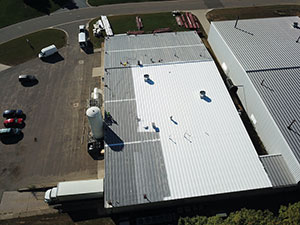
Reflectivity. Reflective coatings send more sunlight away from the roof surface instead of absorbing it, which can reduce heat load on the building. How much that matters for cooling costs depends on the building, the coating and the existing roof, so it should be assessed for your property rather than assumed.
Postponed replacement. A sound roof that is sealed and protected can stay in service longer. The added service life depends on the roof’s condition and the system selected, and it cannot be promised in advance. See how the commercial coatings in Bucyrus and commercial coatings in Tiro pages describe coating work.
When Coating Fits and When It Does Not
Five conditions decide whether coating is the right call. Each should be checked before a coating is specified.
| Condition | What is checked | Coating fits when | Repair or replacement comes first when |
|---|---|---|---|
| Moisture | Whether water has entered the insulation or deck | No unresolved wet insulation or deck areas remain after any necessary localized replacement | Saturated insulation is widespread |
| Adhesion | How firmly the membrane or panels are attached | The surface is bonded and cleans up well | The membrane is loose over large areas |
| Substrate | Deck stiffness, corrosion and soft spots | The deck is solid or isolated sections can be replaced | Rotten or corroded decking is found in many places |
| Drainage | Slope, drains and standing water | Water leaves the roof, or blocked drains can be cleared and corrected | Structural low spots keep holding water |
| Compatibility | Whether the coating bonds to the existing surface | A compatible coating, with primer if needed, bonds in a test area | No suitable coating will bond to the surface |
What Coating Cannot Correct
A coating is a protective layer, not a fix for incorrect drainage slopes, deteriorated decking or saturated insulation. Ponding-water suitability differs by coating chemistry and manufacturer requirements, but coating cannot correct the cause of ponding. Applying coating over unresolved wet materials can conceal damage. When those conditions are widespread, a full commercial roof replacement is the more dependable path.
Matching the Coating to the Roof
Coating type is chosen after the roof is assessed, not before. Acrylic, silicone, polyurethane and SEBS/SBS coatings each handle water, sun, foot traffic and surface preparation differently. A roof that sees standing water after rain, for example, calls for a different conversation than one that mainly needs UV protection. The existing surface matters as well, since coatings are used on single-ply roofs such as TPO, EPDM and PVC and on metal roofs, and each needs the right cleaning, repair and compatible system. The choice should be explained in terms of your roof’s condition and what the coating is expected to do, not a one-size-fits-all product.
How a Coating Project Proceeds
Assessment. The roof is walked and checked against the conditions above.
Cleaning and repairs. The surface is cleaned, and seams, flashings, punctures and failed sealant are repaired. Wet or damaged sections are addressed before anything is applied.
Base coat and topcoat. The specified layers are applied with appropriate equipment, under suitable weather conditions and at the manufacturer-required coverage and dry-film thickness. Application details differ by product.
Acceptance and follow-up. The finished work is checked for coverage, detailing and any required cure or thickness criteria. Later inspections help identify new defects; ongoing roof maintenance keeps the coating performing.
Commercial Roof Coatings Experts
If you manage a commercial or industrial property in Ohio or Kentucky and want to know whether your roof is a candidate, contact Cosam Contracting. For Central and Northern Ohio, call (419) 492-2201. For Southern Ohio and Kentucky, call (740) 776-7777.
Frequently Asked Questions
What are commercial roof coatings?
They are liquid-applied protective layers, such as acrylic, silicone, polyurethane and SEBS/SBS, that cure into a seamless membrane over a prepared roof.
Can a coating stop a leaking roof?
A compatible coating system can waterproof a properly prepared, sound roof after specific leak sources and details are repaired. It does not correct saturated insulation, damaged decking or underlying drainage defects.
Does coating fix ponding water?
No. A coating does not change roof slope or clear a blocked drain. Some systems tolerate standing water better than others, but the source of persistent ponding must be evaluated.
How do I know if my roof is a candidate?
A roof assessment checks moisture, adhesion, deck condition, drainage and coating compatibility, and the results show whether coating, repair or replacement fits.