

Metal roofing services for a commercial building should start with the roof design, attachment method, substrate, flashing, drainage, and maintenance needs rather than with a generic claim that one metal system fits every property. Cosam Contracting provides commercial metal roofing services in Ohio and Kentucky, including metal roof installation, repair, restoration, coatings, maintenance, and replacement.
Cosam specializes in standing seam metal roofing with concealed fasteners. Building owners may also encounter exposed-fastener panel systems when comparing options. The right system depends on the building, roof geometry, existing substrate, equipment, drainage, and the written requirements of the proposed assembly.
Metal Roofing Experience and Project Planning
Cosam Contracting has been in business since 1985. Before approving a metal roofing project, ask the contractor to document the existing roof condition, the proposed panel system, how it will attach to the building, and which details are included. Cosam’s project gallery provides examples of completed work.
Metal Roofing Services
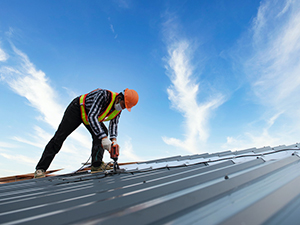
Cosam provides commercial metal roofing along with repair, restoration, coating, maintenance, and replacement services. Which service fits should follow the roof condition. A localized defect may support repair, a suitable existing roof may be a restoration or coating candidate, and broader deterioration may support replacement planning.
For project planning, a commercial roof inspection can document visible conditions and help define what needs attention. The source article states that Cosam documents findings in writing and provides an estimate after inspection. The estimate should identify the proposed work, important exclusions, and any condition that could change the scope once work begins.
Comparing Metal Roof Systems
One of the clearest differences between metal roof systems is how the panels attach. Exposed-fastener systems use fasteners through the panel face. Standing seam systems use concealed attachment and raised seams. Both require project-specific detailing, and neither should be selected without confirming the roof geometry, attachment, flashing, substrate, and maintenance plan.
| Consideration | Exposed-Fastener Panels | Concealed-Fastener Standing Seam |
|---|---|---|
| Attachment | Fasteners pass through the panel face, so fastener and seal conditions remain visible maintenance points | Panels use concealed clips or other concealed attachment details defined by the selected system |
| Thermal movement | Panel movement and fastener behavior need to be considered in the system design and inspection plan | Clip and seam details are designed around panel movement, but requirements vary by system and roof geometry |
| Roof geometry | Confirm that the roof slope and geometry meet the selected panel system’s requirements | Confirm the same for the specific standing seam assembly rather than assuming every profile fits every slope |
| Flashing and penetrations | Edges, curbs, penetrations, and transitions need details that match the panel profile and attachment | Seams, panel ends, curbs, penetrations, and transitions need details compatible with the standing seam system |
| Maintenance access | Future inspections should include exposed fasteners, seals, flashing, and other vulnerable details | Future inspections should include seams, flashing, penetrations, attachment-related details, and any repaired areas |
Check the Substrate and Existing Roof Conditions
The panel system is only one part of the assembly. The roof deck, existing roof layers, insulation, structural attachment points, and moisture conditions can affect how a metal roof should be installed. Existing rooftop equipment also matters because curbs, vents, pipes, and other penetrations need flashing details compatible with the selected panel profile.
If soft deck areas, corrosion, wet insulation, or other concealed conditions could change the scope, the proposal should explain what is known, what remains uncertain, and how added work will be documented and approved. Condensation control and ventilation should also be addressed where they are relevant to the building and proposed assembly rather than assumed from the panel type alone.
Questions for a Written Metal Roof Specification
Before comparing bids, ask each contractor to define the proposed system in writing. A useful specification should identify:
- The panel profile, metal type, thickness or gauge, and finish when applicable
- The attachment method and the substrate or structural components receiving the attachment
- How the system addresses thermal movement
- Flashing details at edges, curbs, penetrations, transitions, and drainage points
- Included insulation, underlayment, ventilation, or condensation-control work when relevant
- Installation requirements that apply to the selected system and any written warranty terms actually offered
- Access considerations for inspection, maintenance, and future repairs
A clear specification makes it easier to compare bids on the same scope. If two proposals use different panel profiles, attachment methods, flashing details, insulation assumptions, or exclusions, their prices are not directly comparable until those differences are understood.
Repair, Coating, Maintenance, or Replacement?
System selection is separate from deciding what an existing metal roof needs today. Cosam’s metal roof repair information covers repair decisions, while its maintenance program provides ongoing roof-condition context. Coating or restoration should be considered only when the existing roof is a suitable candidate based on condition, preparation, compatibility, moisture, and drainage. Replacement becomes a separate decision when the existing system can no longer support the intended repair or restoration scope.
Metal Roofing Services
When comparing commercial metal roofing services, ask for the system, attachment, substrate assumptions, flashing details, exclusions, and maintenance access in writing before approving the work. Contact Cosam Contracting or call (740) 776-7777 to discuss a commercial metal roofing project in its Ohio and Kentucky service area.
Frequently Asked Questions
What is the difference between exposed-fastener and concealed-fastener metal roofs?
Exposed-fastener panels use fasteners through the panel face, while concealed-fastener standing seam systems hide the primary attachment beneath or within the panel seams. Both require project-specific attachment, flashing, and maintenance details.
What should be in a written metal roof specification?
It should identify the panel system, metal and finish, attachment method, substrate assumptions, thermal-movement details, flashing, included insulation or condensation-control work, exclusions, and maintenance access.
Do commercial metal roofs need maintenance?
Yes. Inspection needs depend on the system, condition, weather exposure, rooftop activity, and written project requirements. The maintenance plan should identify which seams, fasteners, flashing, penetrations, coatings, and repaired areas need review.
Can an existing metal roof be coated instead of replaced?
Sometimes. Coating or restoration may fit when the existing roof is a suitable candidate and moisture, substrate, drainage, preparation, and compatibility support that scope. Otherwise repair or replacement may be more appropriate.