
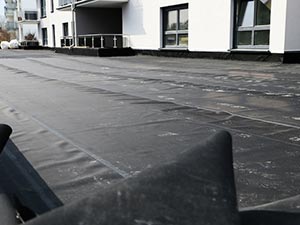
Commercial roofs in Zanesville, OH must handle significant seasonal changes, from freezing winter conditions and snow to warm summer temperatures and prolonged sunlight. Choosing a membrane that can adjust to these changing conditions can help protect commercial buildings throughout the year. EPDM roofing provides a flexible, weather-resistant roofing system that performs well on commercial flat and low-slope roofs.
For related commercial roofing guidance in Zanesville, see TPO roofing in Zanesville.
Call Cosam Contracting at (740) 776-7777 for EPDM roofing in Zanesville, OH.
EPDM Roofing Handles Ohio’s Freeze-Thaw Cycles
EPDM stands for ethylene propylene diene monomer, a synthetic rubber roofing membrane used on many commercial buildings. One of the material’s primary advantages is flexibility, which allows the membrane to respond to temperature changes without becoming excessively rigid.
This flexibility is particularly useful during Ohio’s freeze-thaw cycles. Temperatures can rise above freezing during the day and fall below freezing again at night. Roofing materials repeatedly expand and contract as these temperature changes occur.
A flexible EPDM membrane can accommodate normal movement associated with these cycles. Proper installation is still essential because seams, flashing, penetrations, and roof edges must remain secure as the roofing system responds to changing conditions.
Managing Winter Snow and Moisture
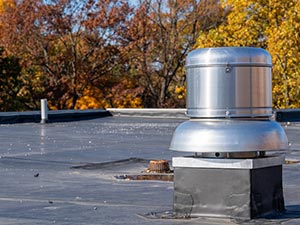
Winter weather creates additional concerns for commercial property owners. Snow accumulation adds weight to a roof, while melting snow introduces moisture that must drain away effectively. Proper roof drainage becomes especially valuable during periods when snow repeatedly melts and refreezes.
EPDM provides a waterproof membrane that helps prevent moisture from entering the building when the system is properly installed and maintained. Drains, gutters, and other drainage components should remain clear so melting snow and rainfall can leave the roof efficiently.
Standing water can increase stress on any commercial roofing system. During colder weather, trapped water may also freeze and expand. Regular inspections can identify drainage problems, membrane damage, or deteriorating flashing before winter weather contributes to more serious roofing problems.
Weather Resistance Through the Summer
Cold temperatures are only part of Zanesville’s seasonal roofing demands. Commercial roofs also experience summer heat and ultraviolet exposure. Large flat roofs can receive direct sunlight for many hours each day, placing the membrane under continuous environmental stress.
EPDM is formulated to resist damage associated with ultraviolet radiation and weather exposure. The synthetic rubber maintains its flexibility through changing temperatures, allowing it to perform during both hot and cold seasons.
Routine maintenance can help preserve this weather resistance. Roof inspections should examine membrane surfaces for punctures, open seams, damaged flashing, and areas where rooftop equipment or foot traffic may have affected the system.
Commercial property managers should also consider scheduling an inspection following severe weather. High winds, falling debris, heavy snow, and other conditions can create localized damage that may not be noticeable from inside the building.
Supporting Long-Term EPDM Roof Performance
A commercial roof’s service life depends on installation quality, environmental exposure, maintenance, drainage, and how quickly problems are repaired. EPDM has a long history of commercial use and can provide many years of dependable protection when properly cared for.
Preventive maintenance gives building owners an opportunity to address small concerns before moisture reaches insulation or other parts of the roofing assembly. Keeping debris away from drainage areas and limiting unnecessary rooftop traffic can also reduce avoidable wear.
Documenting inspections and repairs provides another practical benefit. Maintenance records allow property managers to track recurring concerns and understand how the roof is performing through changing Ohio seasons.
Protect Your Commercial Building Through Every Season
Zanesville’s changing climate requires a commercial roofing system capable of handling temperature swings, winter moisture, snow, and summer ultraviolet exposure. EPDM offers flexibility and weather resistance that make it a practical option for many flat and low-slope commercial buildings.
For EPDM roofing in Zanesville, OH, contact Cosam Contracting at (740) 776-7777 today.
FAQ
What are common early warning signs of problems with an EPDM roof?
Building owners should watch for loose membrane areas, damaged flashing, punctures, separated seams, interior moisture stains, and unusual water accumulation. Finding these conditions early can help limit the extent of moisture-related damage.
How long can EPDM roofing remain in service on a Midwest commercial building?
Service life varies according to membrane quality, installation, maintenance, weather exposure, drainage, and rooftop activity. Regular professional evaluations and timely repairs can help owners maximize the useful service life of the system.
Should an EPDM roof be inspected after a heavy snowfall?
An inspection may be appropriate after unusually severe winter conditions, particularly if there are signs of drainage problems, membrane damage, or interior leaks. A roofing professional can evaluate areas that may have been affected without causing further damage to the membrane.