
Commercial roof replacement can disrupt a business when the scope, scheduling and communications are unclear. Roof conditions matter too: moisture, deteriorated decking, drainage and flashing can all change the work required. Cosam Contracting works with commercial and industrial property owners across Ohio and Kentucky, and this page covers the mistakes that most often cause trouble, what to confirm before you authorize a replacement, and how to keep your building running while the work is done. To talk through your project, call (419) 492-2201 for Central and Northern Ohio or (740) 776-7777 for Southern Ohio and Kentucky.
1. Inadequate Planning
Replacement is a large project with many moving parts, and an incomplete plan can contribute to delays, change orders and disruption. Before work starts, the owner and the contractor should agree in writing on the scope, the sequence, the start and finish window, and who decides what when something unexpected turns up. A schedule that accounts for weather and for your business calendar is more useful than one that only lists dates.
- What will be removed, and whether the old roof is torn off or covered over.
- Where crews, dumpsters, and materials will be staged.
- Which days are off limits because of deliveries, inventory, inspections, or seasonal rushes.
- What happens to exposed sections if rain is forecast.
Start by discussing a documented roof inspection so the scope is based on observations and appropriate investigation rather than assumptions.
2. Ignoring Building Codes and Regulations
Permits and code requirements depend on your jurisdiction and your building, so they should be confirmed for each project and not assumed. Skipping them can mean stop-work orders, rework, or trouble with insurance and warranties later. Ask your contractor who is responsible for pulling permits, which code or energy requirements apply to your roof, and how any required inspections will be scheduled so they do not hold up the crew. Insulation levels, fire ratings, drainage and the existing roof assembly can all matter in a code review, so ask for them to be addressed in the proposal.
3. Choosing the Wrong Roofing Material
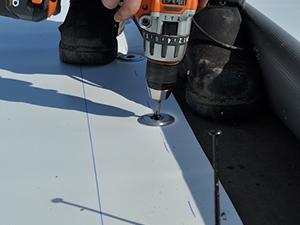
The right system depends on the building, not on a general preference. Slope, structure, rooftop equipment, foot traffic, and the budget all affect the choice. Cosam Contracting works with single-ply membranes, metal roofing, and coating systems, and each fits different conditions. A low-slope roof with extensive rooftop equipment calls for different details than a metal roof on a warehouse, so ask the contractor to explain why the proposed system suits your roof and to name the full system, including insulation, attachment, and flashing details, not just the top layer. Be cautious about any claim of a guaranteed lifespan. How long a roof lasts depends on the system, the installation, and the maintenance it receives.
4. Neglecting Regular Communication
Unclear decisions and communication can lead to avoidable disputes during roof replacement. Agree up front on a single point of contact, how often you will get updates, and how changes will be handled. If crews uncover wet insulation or a damaged deck, ask for a prompt report, with a description of what was found and what it changes. Ask that any change to the scope or the cost be put in writing before the extra work begins.
5. Overlooking the Impact on Business Operations
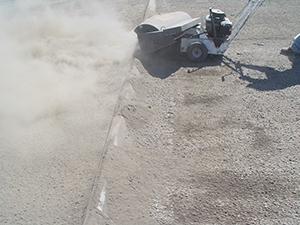
Replacement brings noise, dust, vibration, and activity around your building. For some businesses that means a few distractions. For others, such as those with sensitive equipment, customer traffic, or stored inventory, it requires real planning. Discuss possible scheduling, temporary protection and cleanup arrangements with Cosam Contracting, and make sure the agreed measures appear in the proposal. These questions help you plan for an occupied building:
- Access: Which entrances, parking areas, and walkways stay open, and which are closed during tear-off?
- Noise and vibration: Can the noisiest work be scheduled for off-peak hours or weekends?
- Protection below the roof: How will ceilings, equipment, and stored goods be protected from debris or water?
- Weather contingencies: What is the plan for exposed areas at the end of each work day and when rain is forecast?
- Closeout: What final inspections, photographs, warranty documents and cleanup records are included?
Repair or Replacement? Confirm Before You Authorize
Replacement is not always the answer. Before you commit, make sure the problem really is roof-wide. Isolated damage, such as one failed seam or flashing detail, may only need a targeted leak repair. Widespread leaks, wet insulation, or a roof that is worn out across most of its surface point toward replacement. In between, some roofs are good candidates for a roof coating that can extend service life when the roof underneath is sound. Inspection findings and any needed moisture or deck investigation help distinguish these options, so ask what was checked before the recommendation was made.
Comparing Replacement Quotes
Two proposals for the same building can describe different work. Compare them against the same list before you decide.
| Item to Compare | What to Ask | Why It Matters |
|---|---|---|
| Tear-off or recover | Is the existing roof removed, or is the new system installed over it? Is a recover suitable for your roof? | Recover suitability depends on existing roof conditions, structural capacity, code limits and proposed system requirements. |
| Deck and insulation allowances | How are wet insulation and damaged decking handled if found? | A proposal with no allowance can lead to added cost mid-project. |
| Drainage and flashing | Are drains, edges, curbs, and penetrations detailed in the proposal? | Ponding and failed flashing are common causes of early leaks. |
| Occupied-building plan | How are access, noise, debris, and weather exposure managed? | It determines how much the project disrupts your operations. |
| Closeout evidence | What documents, photos, and warranty terms do you receive at the end? | Written records support future maintenance and any warranty claim. |
Keeping Your Business Running Through a Replacement
Avoiding these frequent errors comes down to planning the project in detail, confirming permits and materials, communicating often, and treating your operations as part of the schedule. Our page on commercial roof replacement explains the process in more detail, from the first consultation about your needs, options, and budget through the full inspection, tear-off, installation, and final cleanup. To discuss your building or arrange an appointment, contact us or call (419) 492-2201 for Central and Northern Ohio, or (740) 776-7777 for Southern Ohio and Kentucky.
Frequently Asked Questions
What is the most common mistake in a commercial roof replacement?
An incomplete scope or schedule. A written weather and access plan can reduce surprises and disruption.
Can my business stay open during a roof replacement?
Often, with planning. Ask for a written plan covering access, noise, protection below the roof, and cleanup.
How do I know if I need a replacement or just a repair?
Inspection findings help distinguish localized, repairable defects from widespread damage or moisture requiring a broader replacement evaluation.
What should I confirm before authorizing a replacement?
The scope, permits, the full system, how wet insulation and damaged decking are handled, the schedule, and the warranty terms in writing.