
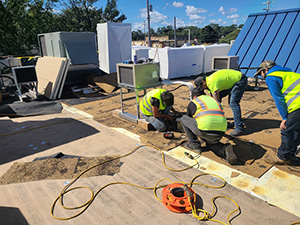
Choosing a commercial roofing contractor is easier when every proposal is compared against the same project assumptions. Two bids can show similar totals while covering different roof areas, systems, exclusions, investigation depth, or responsibilities. Cosam Contracting serves commercial and industrial properties in Ohio and Kentucky, and this guide explains what to compare before authorizing a roofing project.
Start with the roof problem and the written scope, not the headline price. Ask what the contractor observed, what remains uncertain, what system or service is being proposed, and how changes will be handled if concealed conditions are found. To discuss a commercial roof, call (740) 776-7777.
What We Offer
Cosam Contracting’s current commercial scope includes acrylic and silicone coatings and restoration, TPO, PVC, and EPDM single-ply installation, spray foam installation, metal roof installation and replacement, standing seam metal installation and replacement, insurance claims support, and general commercial roofing. That range matters only when the proposed service actually fits the building and roof condition.
If restoration is being considered, Cosam’s roof coatings page provides service context. If the roof condition points toward a broader project, its commercial roof replacement page covers that separate path. Ongoing roof maintenance can also help document developing conditions over time.
A Bid-Review Checklist
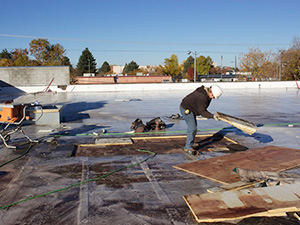
Ask each contractor to put the project in writing, then compare the proposals line by line:
- Service and roof area: Does each proposal cover the same roof sections and the same type of work?
- Investigation basis: What was observed before pricing, and what concealed conditions could still change the scope?
- System specification: Is the proposed membrane, coating, metal system, insulation, attachment, or other assembly detail identified clearly enough to compare?
- Exclusions and allowances: What is not included, and how will wet insulation, deck damage, drainage corrections, or other added work be documented and approved?
- Schedule: What start window, sequencing assumptions, and weather contingencies are built into the proposal?
- Occupied-property protection: How will access, staging, debris, noise, rooftop equipment, and sensitive areas below the roof be coordinated?
- References: Are comparable commercial project references available if you want to check communication and scope management?
- Warranty responsibilities: Who provides any workmanship coverage, who provides any manufacturer coverage, and what written conditions apply?
Questions That Reveal Bids You Cannot Compare
Price differences become easier to understand when the underlying assumptions are made visible.
| Question to Ask | What a Comparable Answer Looks Like | What Needs Clarification |
|---|---|---|
| Is this repair, restoration, recover, or replacement? | The approach is named and tied to the roof condition and project goals | Different approaches are priced side by side as if they were the same job |
| How will concealed wet or damaged materials be handled? | The proposal states how added work will be documented, measured, approved, and priced | The bid is silent about conditions that could change the project after work begins |
| What is excluded? | Exclusions and owner responsibilities are listed in writing | A lower total leaves unclear whether flashing, drainage, insulation, equipment work, or other items are included |
| What warranty terms actually apply? | The provider, coverage, exclusions, maintenance conditions, and claim process are identified | The proposal uses the word warranty without the written terms |
A lower bid may reflect a narrower scope or more exclusions. A higher bid does not automatically prove better quality. The useful comparison is what each contractor has committed to do and how uncertainty will be handled.
Workmanship Versus Manufacturer Warranty
Workmanship coverage and manufacturer coverage are separate. Workmanship coverage, when offered, comes from the contractor under its written terms. Manufacturer coverage follows the selected product or system and can have its own eligibility, installation, inspection, maintenance, exclusion, and claim requirements.
Ask for the documents that actually apply to the proposed project. Do not assume a particular term, coverage level, or claim outcome because a proposal simply mentions a warranty.
Let Us Help You
Clear communication is especially important when the roof condition is uncertain or more than one service could be appropriate. Ask the contractor to explain what the inspection or evaluation established, what remains unknown, and why the proposed service fits the building. Cosam’s roof inspection page provides additional context for documenting current conditions before a larger scope is approved.
Company history and experience can help an owner assess a contractor, but they should not replace the project-specific proposal. Cosam’s about page provides company background, while the written project scope should still control what is included on your building.
Before You Sign
Review the proposal one more time for the roof area, service, system, exclusions, concealed-condition process, schedule assumptions, occupied-building coordination, and written warranty responsibilities. If two bids answer those questions differently, resolve the differences before comparing the totals.
Cosam Contracting serves commercial and industrial properties in Ohio and Kentucky. To discuss a project, contact Cosam Contracting or call (740) 776-7777.
Frequently Asked Questions
What should I compare besides price when choosing a commercial roofing contractor?
Compare the roof area, proposed service or system, investigation basis, exclusions, concealed-condition process, schedule assumptions, occupied-building coordination, and written warranty responsibilities.
How can I tell whether two roofing bids are comparable?
Check whether they cover the same roof area and the same type of work. If one is repair, one is restoration, or one includes more insulation, flashing, drainage, or tear-off work, the totals are not directly comparable.
What is the difference between workmanship and manufacturer coverage?
Workmanship coverage, when offered, comes from the contractor under its written terms. Manufacturer coverage follows the selected product or system and can have separate eligibility, exclusions, maintenance, and claim requirements.
Should the roof be evaluated before I compare bids?
The contractor needs enough project-specific information to support the proposed scope and price. The appropriate investigation depends on the roof condition and service being considered, so no single inspection method is required for every project.